Dental
What is Grinding and Clenching?
Teeth Grinding (Bruxism): This refers to the act of forcefully rubbing the upper and lower teeth together.
Teeth Clenching: This refers to the act of pressing the teeth together with force.
These behaviors commonly occur during sleep but can also happen during the day for some individuals.
Symptoms of Grinding and Clenching
-
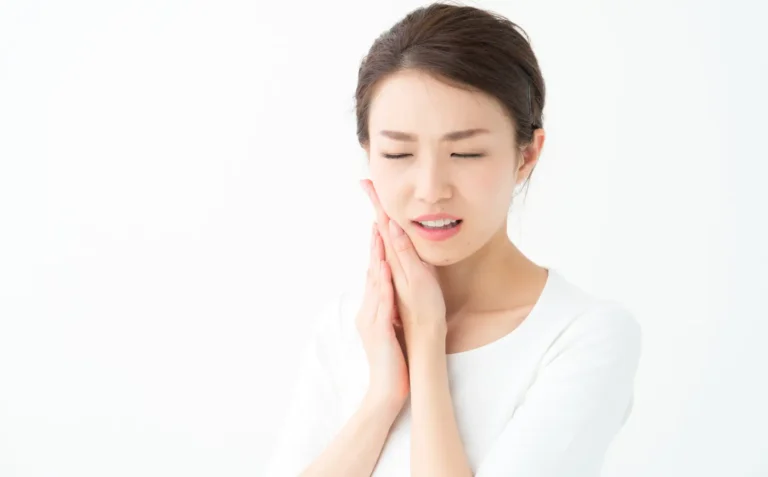
Headaches, shoulder pain, or arm numbness
-
Habitual jaw clenching during work
-
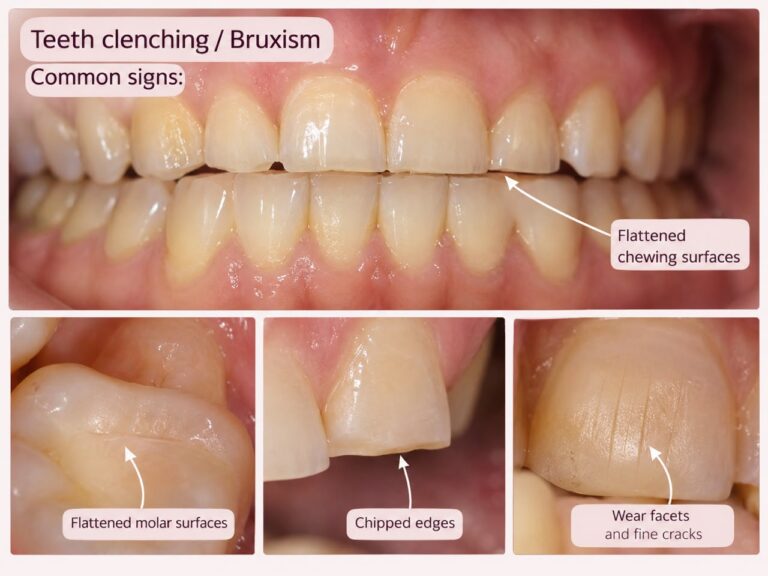
Tooth with cracks or fissures
-
Chipped tooth
-
Worn-down molars with rounded edges
-
Receding tooth roots
-
Fatigue around the mouth area upon waking up
-
Jaw discomfort
Main Causes and Reasons
Stress and Anxiety
High levels of stress and anxiety are among the primary causes of teeth grinding and clenching. As stress accumulates in the body, muscle tension increases; this can affect the muscles in the jaw and face, potentially leading to teeth grinding or clenching.
Habitual Behavious and Concentration
Some people unconsciously clench their teeth while concentrating, driving, working or using electronic devices.
Sleep Disorders
Sleep-related breathing disorders, uncomfortable sleeping positions, and sleep disorders such as restless legs syndrome can lead to teeth grinding or clenching. These conditions cause muscle tension, which can result in the grinding or clenching of teeth.
Lifestyle and Environmental Factors
Certain lifestyle habits and environmental factors—such as alcohol consumption, smoking, caffeine intake, or the use of drugs—can also contribute to teeth grinding or clenching.
Psychological Factors
An individual’s psychological state and personality traits can also be factors in tooth grinding or clenching. For example, studies have reported that teeth grinding and clenching are more likely to occur in nervous individuals or those with certain personality traits.
Certain Medications
Some medications, particularly certain antidepressants, may contribute to bruxism as a side effect.
Treatments
These treatment methods are selected and administered by a dentist, tailored to the specific oral condition of each patient.
Regular professional cleanings and consistent oral care habits are effective for maintaining dental health and preventing periodontal disease and tooth decay.
Mouthguard (night guard)
A mouthguard is a custom-fitted device used to alleviate teeth grinding and clenching. It is fabricated based on an impression taken of your teeth. Mouthguards typically help protect teeth during sleep, preventing wearing or cracking of teeth.
Stress Management
When stress is the cause of teeth grinding or clenching, stress management techniques can be effective. These may include relaxation methods, stress-reduction practices (such as yoga, meditation, breathing exercises or moderate exercise), and psychotherapy.
Dental Treatment
If teeth or the oral cavity have sustained damage due to tooth grinding or clenching, we may recommend treatment. This can include, for example, restoring worn or cracked teeth, or treating the gums.
Bite Adjustment
If the issue is caused by the way your teeth get in contact together, adjustments may be made to your bite. This can help alleviate teeth grinding or clenching.
Treatment for Sleep Disorders
When teeth grinding or clenching is linked to a sleep disorder, treatment for that sleep disorder may be provided. For instance, in cases of sleep apnea, options such as continuous positive airway pressure (CPAP) therapy or the use of an oral appliance may be considered. However, it is recommended for patients to have sleep test done by ENT specialist or Sleep Specialist



If you leave teeth grinding or clenching unaddressed…
If teeth grinding or clenching persists over a long period, or if severe cases are left untreated, the following problems and complications may arise.
Tooth damage
Persistent teeth grinding or clenching can wear down the tooth surface, potentially causing teeth to become shorter or change in shape. Furthermore, the application of strong force can lead to cracks in the teeth.
Inflammation of the Gums
Grinding or clenching your teeth can cause excessive irritation of your gums and surrounding tissues. This can cause inflammation, bleeding, and swelling of the gums.
Temporomandibular Joint Disorder
Teeth grinding or clenching can place excessive strain on the temporomandibular joints (TMJ). This may lead to conditions such as temporomandibular joint disorder (TMD), jaw pain, restricted joint movement, or difficulty opening the mouth.
Headache or Facial Pain
Muscle tension and temporomandibular joint problems caused by teeth grinding or clenching can sometimes lead to headaches and facial pain. Pain may occur particularly around the eyes, temples, and back of the head.
Sleep Disorder
If teeth grinding or clenching occurs during sleep, it can reduce sleep quality and lead to symptoms of sleep disorders. This can lead to fatigue, daytime sleepiness, and decreased concentration.