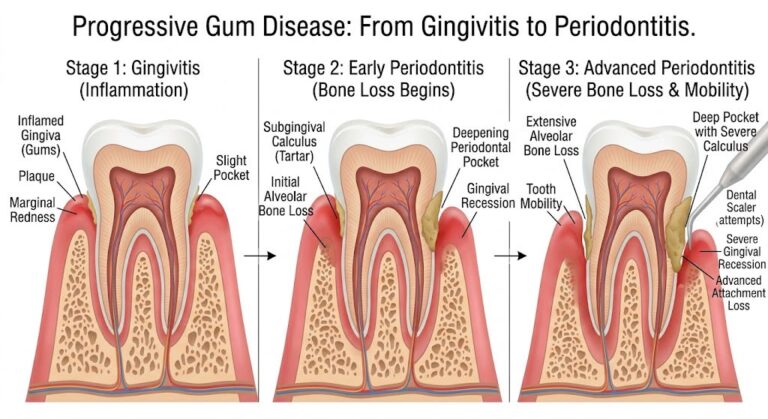
Periodontal disease is a chronic infection that causes inflammation of the gums and the loss of supporting tissues around the teeth.
If it progresses, it can lead to tooth loss.
Main Symptoms of Periodontal Disease
Bad breath
Thick saliva in the morning
Bleeding or pus from the teeth or gums
Red and swollen gums
Teeth appear longer
Food easily gets stuck between teeth
Loose teeth
Changes in teeth alignment
Main Causes and Factors of Periodontal Disease
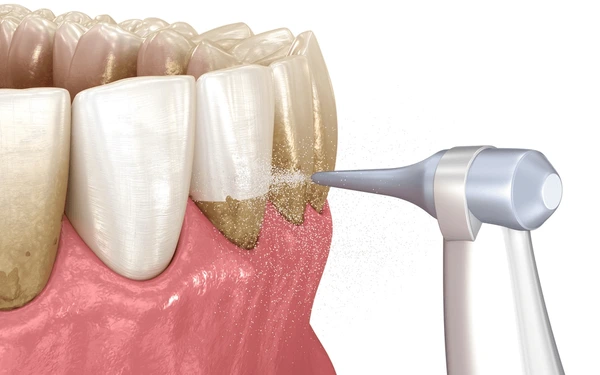
Plaque Buildup
The primary cause of periodontal disease is a mass of bacteria known as plaque. If plaque is not removed through daily brushing and flossing, it causes inflammation of the gums, which leads to the progression of periodontal disease.
Smoking
Tobacco use (smoking) is a significant risk factor that exacerbates the onset and progression of periodontal disease. Components in tobacco impair blood circulation in the gums and weaken immune function, making individuals more susceptible to periodontal disease.
Genetic Factors
Genetic factors can also play a role in the risk of periodontal disease. Some individuals have a genetic predisposition that makes them more susceptible to the condition.
Immune System Disorders
Impairments in the immune system or a weakened immune response are factors that contribute to the onset and progression of periodontal disease. If the immune system fails to function properly, it cannot mount an appropriate immune response against bacteria, which can lead to the progression of inflammation and the loss of periodontal tissue.
Stress
Long-term stress can lead to a decline in immune function and an increase in inflammation. Stress is considered a factor that can contribute to the onset or progression of periodontal disease.
Health Conditions
Certain health conditions—such as systemic diseases (e.g., diabetes, cardiovascular disease) or hormonal changes during pregnancy—are also factors that increase the risk of periodontal disease.
Treatment Modalities
Thorough plaque control
The first and most critical step in treating periodontal disease is the removal of plaque from the oral cavity—a process known as “plaque control.” Brushing serves as the foundation for this. Periodontal disease cannot be improved unless you are able to effectively remove plaque through daily brushing. To help make your daily brushing routine more effective, we will teach you the proper brushing technique.
Scaling
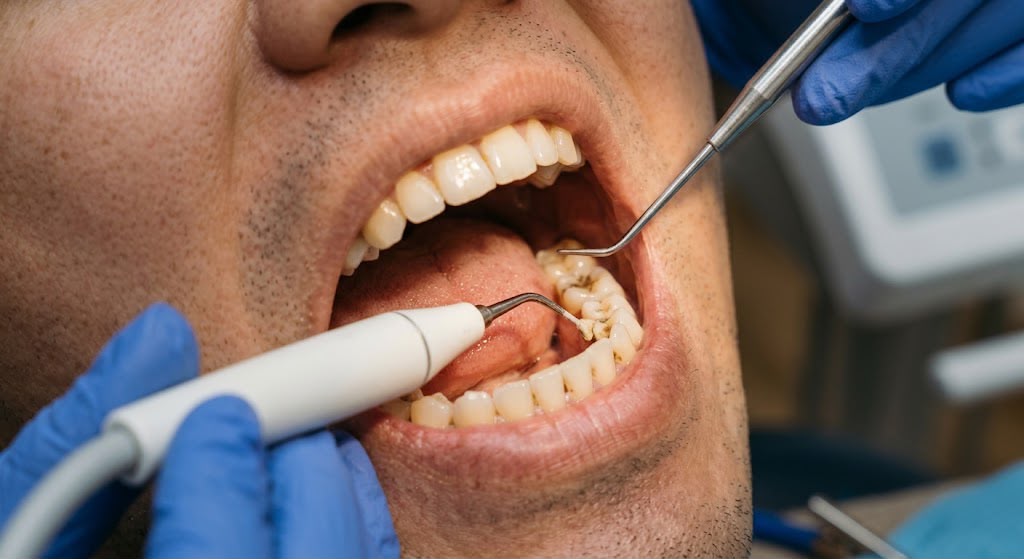
Calculus on teeth is carefully removed using an ultrasonic scaler.
Deep Scaling
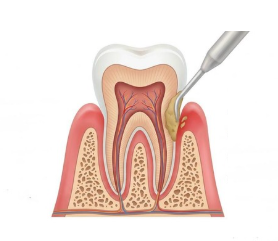
Calculus which is located in between gums and teeth surfaces, sometimes not visible from outside, is removed with ultrasonic scalers as well.
Regular Check-up and Oral Care
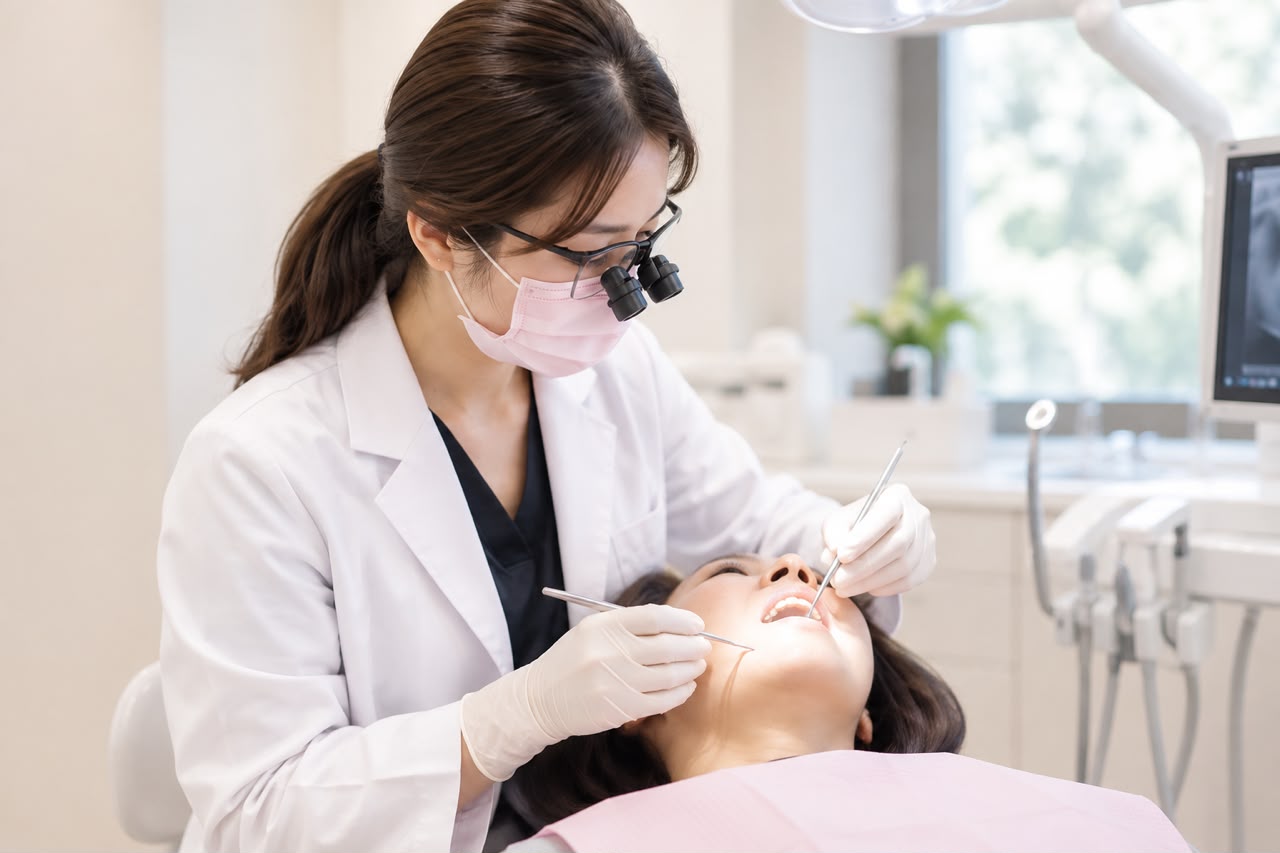
After treatment for periodontal disease, regular maintenance and self-care are essential. Follow your dentist’s instructions by attending routine check-ups and professional cleanings, and continue to practice proper brushing and flossing at home.
If Gum Diseases are not treated properly:
Worsening of Gums Inflammation
In the early stages of periodontal disease, the gums may become swollen or bleed; as the condition progresses, the inflammation worsens, causing the gums to appear even redder and more swollen. Bleeding during tooth brushing or eating may increase, and bad breath can also become more pronounced.
Worsening of Gum/ Periodontal Pockets
As periodontal disease progresses, the pockets (grooves or spaces) between the teeth and the gums become deeper. This leads to an increased accumulation of plaque and food particles, raising the risk of inflammation and infection.
Gum Recession
As periodontal disease progresses, the gums may recede, exposing the tooth roots. This exposure can lead to increased tooth sensitivity or pain.
Tooth becoming loose
As periodontal disease progresses, the alveolar bone that supports the teeth is lost, which can cause the teeth to become loose. In this state, chewing function is impaired, making it potentially difficult to bite or chew food.
Loss of Tooth
As periodontal disease progresses to a severe stage, it can lead to the loss of alveolar bone and increased tooth mobility, eventually resulting in tooth loss. Periodontal disease is considered one of the primary causes of tooth loss in adults.
Overall Wellbeing
Periodontal disease can affect not only the oral cavity but also overall systemic health. Research suggests that it is linked to conditions such as cardiovascular disease, diabetes, respiratory disease, and pregnancy complications.