Dental
What are Impacted Wisdom Teeth?
Wisdom teeth, also known as third molars, are the last teeth to develop at the back of the mouth. Typically, there are four wisdom teeth—two on the top and two on the bottom.
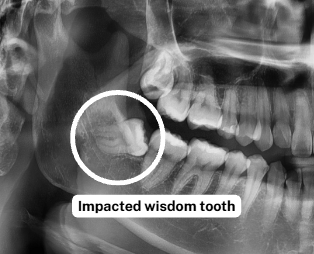
Impacted wisdom teeth refers to a state where a wisdom tooth has not fully erupted and remains embedded beneath the gum tissue. It can lead to infection, swelling, and pain. Furthermore, it may exert pressure on adjacent teeth or the surrounding gums, potentially causing additional complications.
For these reasons, the extraction of an impacted wisdom tooth is sometimes recommended.
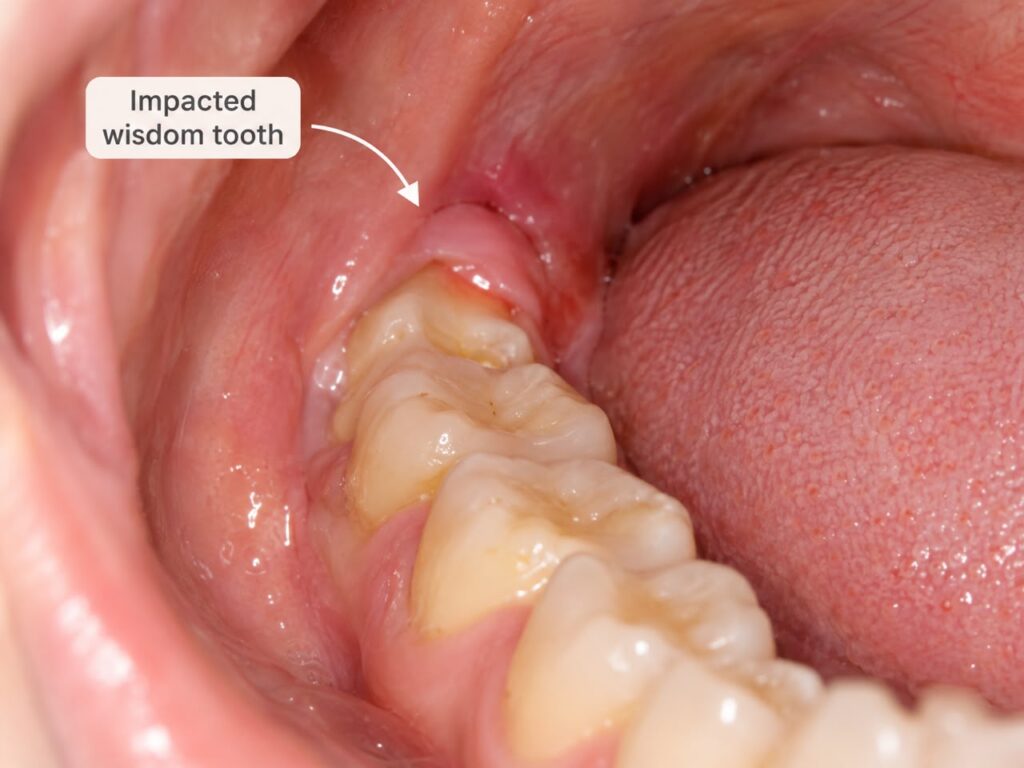
Common Symptoms of Impacted Wisdom Teeth
-
Gum pain
-
Gum Swelling
-
Pain on chewing or swallowing food
-
Unable to open mouth widely
-
Bad breath/ odor
-
One-sided face swelling
-
Fever
-
Headache
Main Causes and Complications of Impacted Wisdom Teeth
Lack of Space in the Mouth
Wisdom teeth can crowd other teeth, potentially leading to dental misalignment or bite issues. In such cases, extracting the wisdom teeth can improve the health of your dental alignment and your bite.

Opportunistic infection
If an infection around a wisdom tooth progresses, the inflammation and infection can spread throughout the body. This may lead to systemic symptoms, swollen lymph nodes, and facial swelling.
Cavity(Caries)
Wisdom teeth are more difficult to clean than other teeth, which can increase the risk of tooth decay. Food particles and bacteria tend to accumulate on their surfaces and in the spaces between them, making them particularly prone to cavities. In cases where the decay is severe, it may be necessary to have the wisdom tooth extracted.
Gum Disease
Wisdom teeth are located in areas that are difficult to reach with regular brushing or interdental cleaning, making proper care a challenge. Consequently, gum disease can easily develop in the gum and bone tissue surrounding these teeth.
Treatment options for Impacted Wisdom Tooth
Observation and Management
A dentist will evaluate the condition of your wisdom teeth and, if there are no issues, may opt for periodic observation and monitoring. This process includes measures such as X-rays and oral examinations. If your wisdom teeth have erupted normally and are not affecting other teeth or oral tissues, no treatment is required; however, regular check-ups are recommended.
Tooth Removal
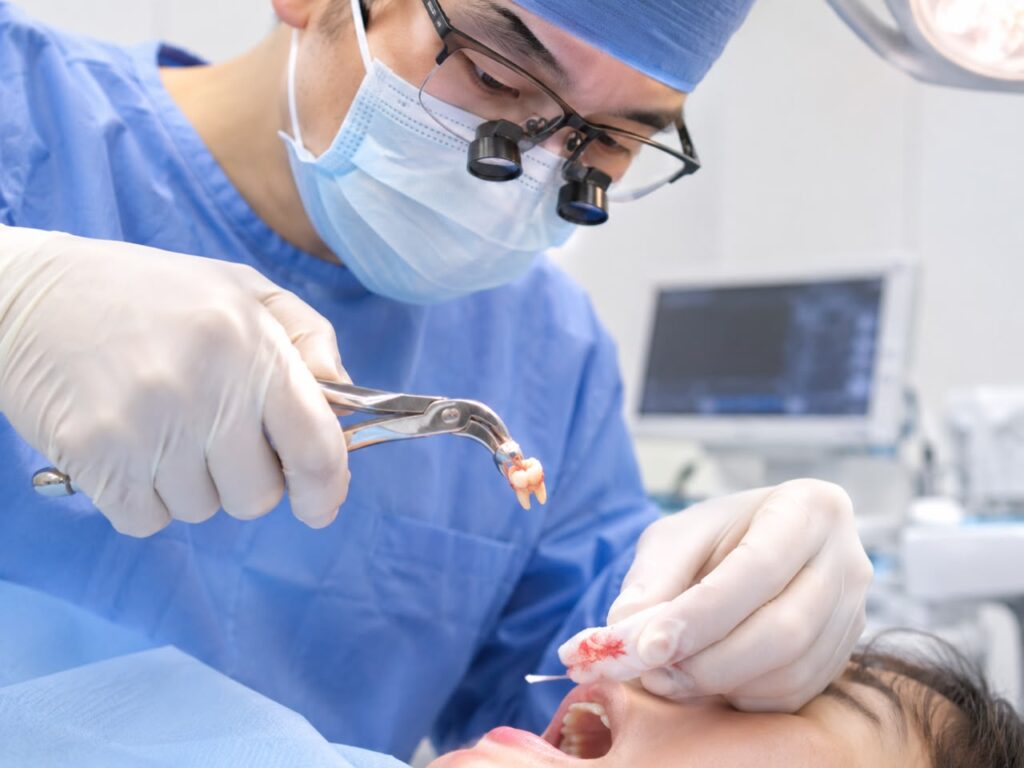
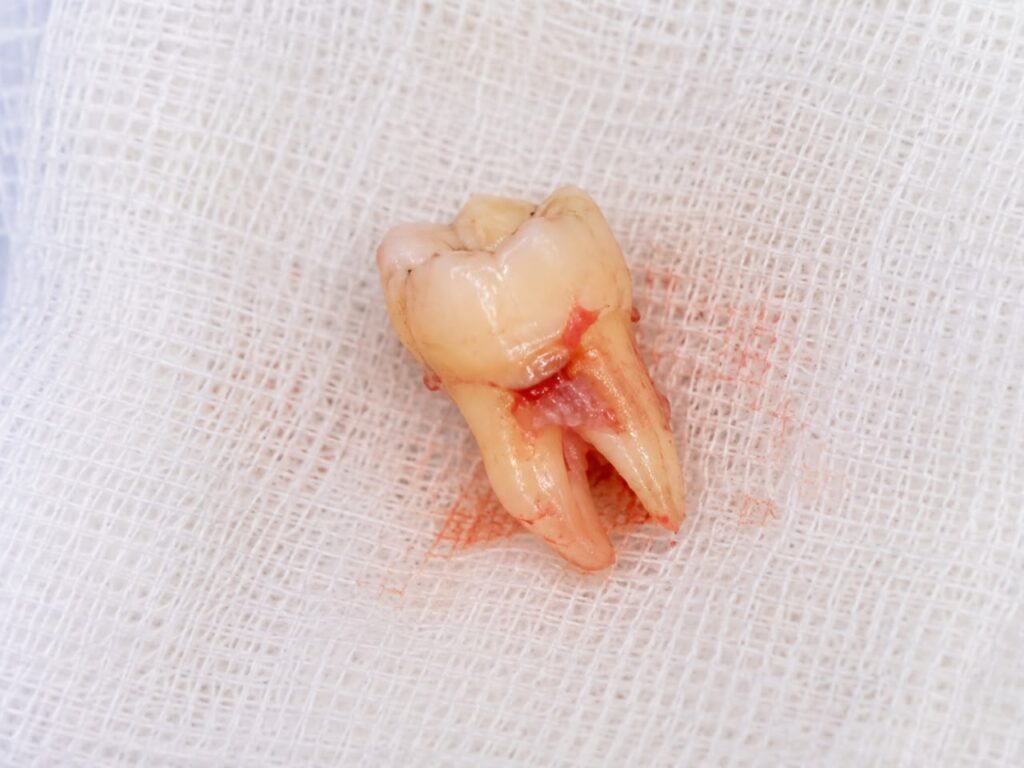
When wisdom teeth cause problems, extraction is a common treatment. This procedure involves removing the wisdom tooth from the gum. It is typically performed under local anesthesia and may be carried out by an oral surgeon if necessary. Following the extraction, you may be given instructions to ensure proper care and a comfortable recovery.
Surgical Tooth Extraction
Some wisdom teeth are completely impacted, which can make extraction difficult. In such cases, an oral surgical procedure may be required. This involves making an incision in the gum to access the wisdom tooth and remove it. Such surgical extractions are typically performed under local or general anesthesia. At our clinic, these procedures can be carried out by an oral surgery specialist.
Additional Measures
If wisdom teeth have caused issues for other teeth or oral tissues, additional procedures may be required alongside the extraction. These may include periodontal treatment, orthodontic treatment, or the restoration of other teeth.

If Leave It Untreated
Leaving a problematic wisdom tooth unaddressed can lead to the following issues.
Worsening Of Pain & Discomfort
Wisdom teeth can cause pain or discomfort, often because they crowd other teeth or oral tissues, or remain impacted beneath the gums.
If left unaddressed, this pain and discomfort may intensify and interfere with your daily life.
Infection
Impacted or partially erupted wisdom teeth create gaps or pockets in the surrounding tissue. This leads to the accumulation of food debris and bacteria, increasing the risk of infection.
As an infection progresses, symptoms such as swelling, inflammation, a foul odor, and oral discomfort may occur.
Gum Disease
Because it is difficult to clean the area around wisdom teeth, plaque and tartar tend to accumulate there. This increases the risk of periodontal disease. Periodontal disease causes inflammation and infection of the gums, which can lead to tooth loss and a decline in oral health.
Affecting Neighbouring Tooth
When a wisdom tooth competes for space with other teeth, it can exert pressure on the adjacent teeth. The lack of space in between the teeth may cause food to be easily stuck and increase the risk of tooth decay happening.
Overall Health
If an infection in a wisdom tooth progresses, bacteria can spread from the oral cavity throughout the body. This may increase the risk of systemic symptoms and infections. The earliest symptoms would be fever and lethargic.
Wisdom Teeth Treatment at Our Clinic
We always diagnose the exact position of wisdom teeth using dental X-rays (2D or 3D if necessary).
We carefully assess the relationship with nerves and blood vessels. If possible, a specialist will perform the extraction in-house.
If more advanced techniques or specialized instruments are needed, or if hospitalization is required, we can refer patients to a specialized hospital.